About Journal

Jurnal Ilmu Kehutanan (JIK) is a biannual open access journal by the Faculty of Forestry, Universitas Gadjah Mada, Indonesia, in cooperation with Indonesia Forestry Scholar Association (PERSAKI). JIK publishes peer-reviewed scientific articles focusing on aspects of tropical forestry and environments in Asia Pacific and Africa, both basic and applied covering topics on forest management, silviculture, biodiversity conservation, forest products technology. Additionally, the journal emphasizes the importance of climate change adaptation and mitigation strategies in promoting sustainable development practices that protect and enhance forest ecosystems. The Journal intended as a medium for communicating and motivating research activities through scientific papers, including research papers, short communications, and reviews written in English. Jurnal Ilmu Kehutanan (printed version) is accredited Sinta 2 by the Directorate General of Research and Development, Ministry of Higher Education, Science, and Technology No. 10/C/C3/DT.05.00/2025, valid from Vol. 18 No. 1 (2024) until Vol. 22 No. 2 (2028).
All publications are available online. In 2021 the journal migrated to this improved website to allow comprehensive online submission processes. Therefore, the publications have two access links as follows.
Articles of Vol 1 - Vol 14 (2007-2020) can be accessed from our old website: https://jurnal.ugm.ac.id/jikfkt
Articles of Vol 15 - present (2021-present) can be accessed from this website: https://jurnal.ugm.ac.id/v3/jik
JIK Updates!
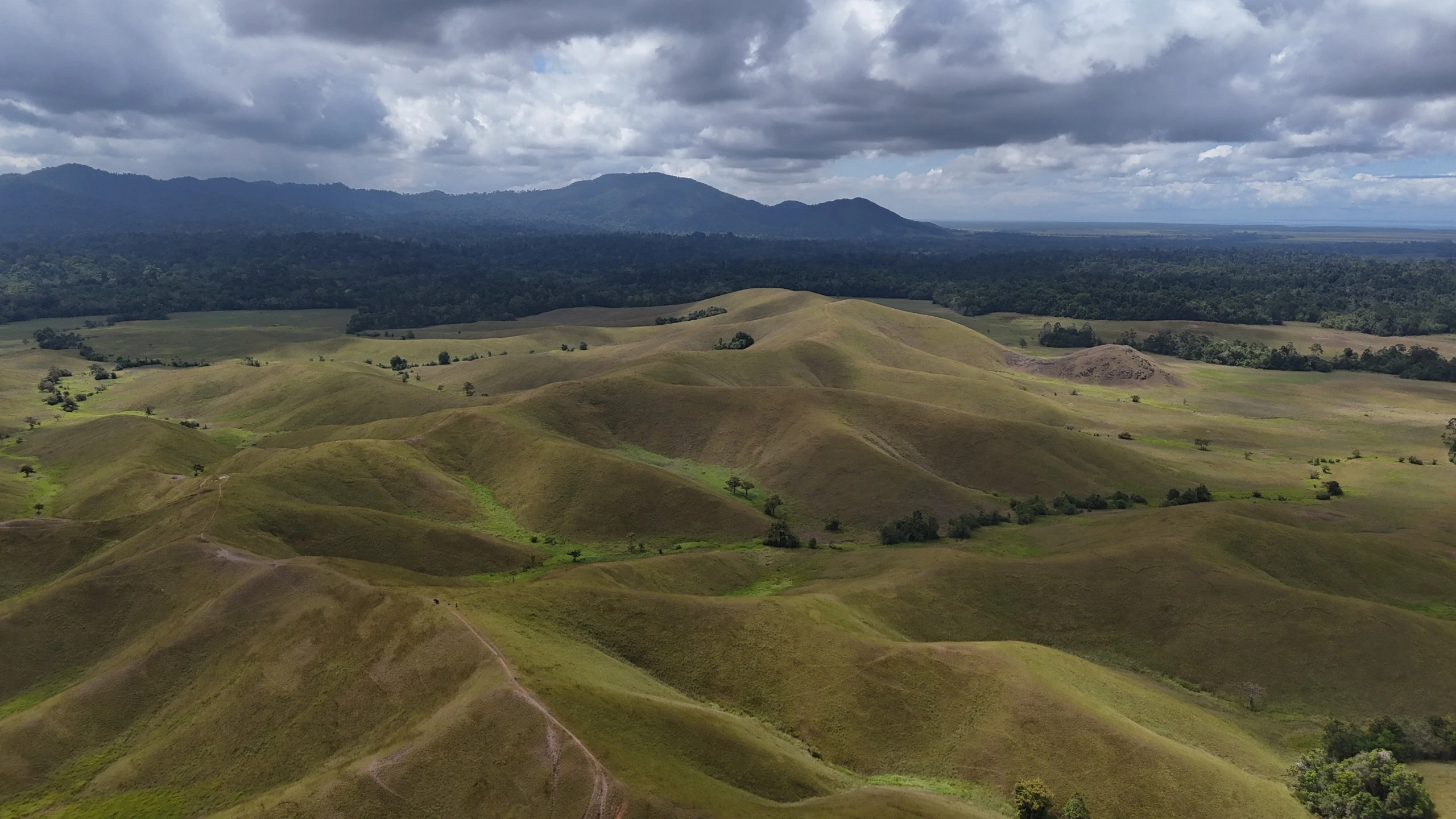
The True Story Behind Restoring Rawa Aopa Watumohai National Park
A sustainability evaluation of Rawa Aopa Watumohai National Park reveals strong social engagement (88.12) and moderate economic growth with monthly incomes rising to IDR 1.29 million (59.13), yet ecological progress remains low (35.29) due to limited biodiversity, more..
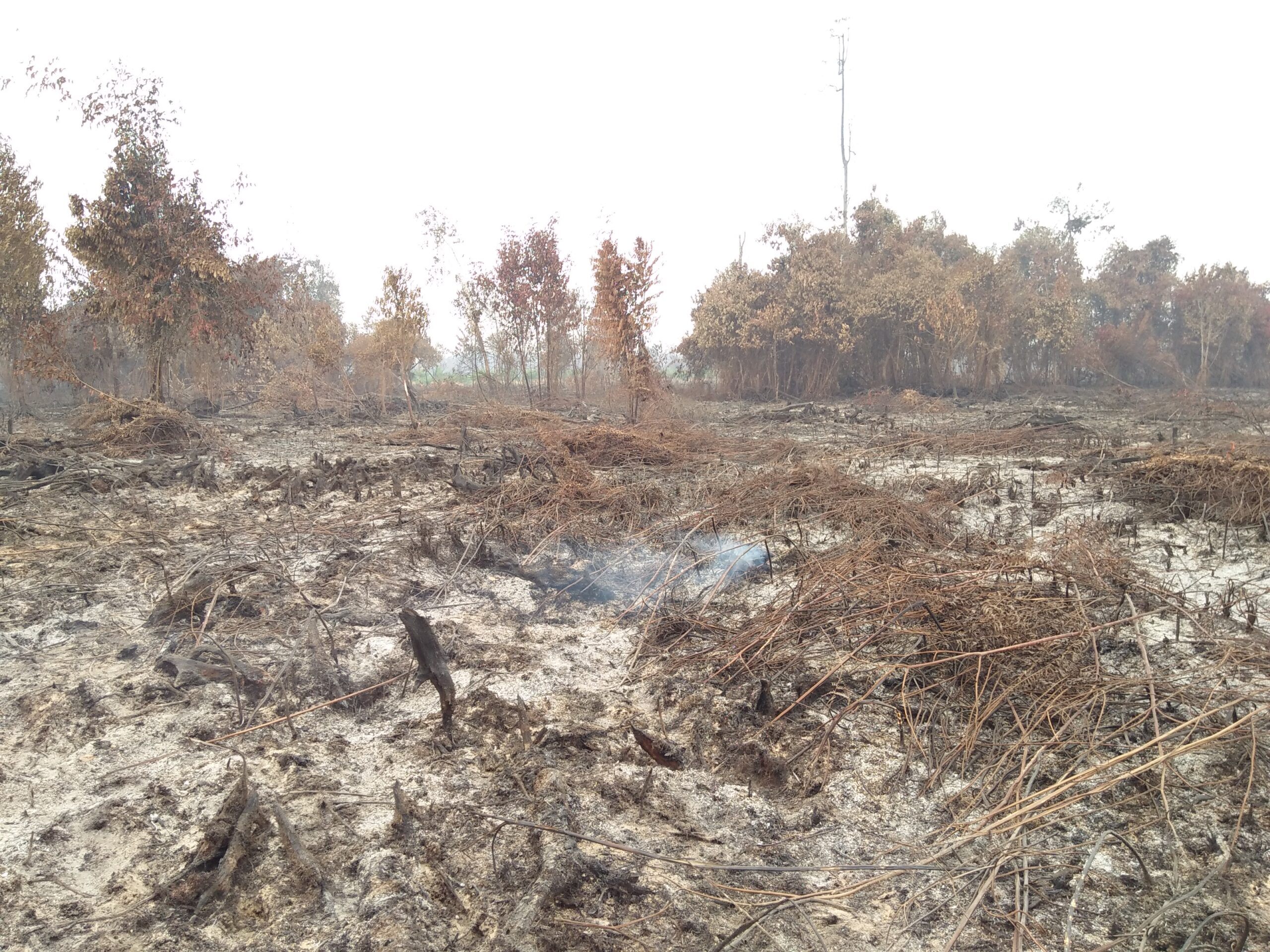
Why Deforestation Makes Kalimantan's Wildfires Far Worse
Deforestation is driving over 65% of localized warming in Kalimantan, pushing temperatures up by more than 0.300°C and fueling severe wildfire risks. While global ocean patterns govern regional rainfall, protecting natural forest cover is our strongest shield to cool the land and prevent devastating fires. more..

How Roadside Trees Act as Natural Air Conditioners
Strategic roadside tree planting can lower urban air temperatures by up to 6.360C and increase humidity by 14.17% along busy city streets. These high-performing broad-canopy trees act as natural climate buffers that significantly enhance public thermal comfort and stress relief. more..